
Heavy Rainfall in Lahore 2025: Urban Flooding Traffic & School Closures
Introduction
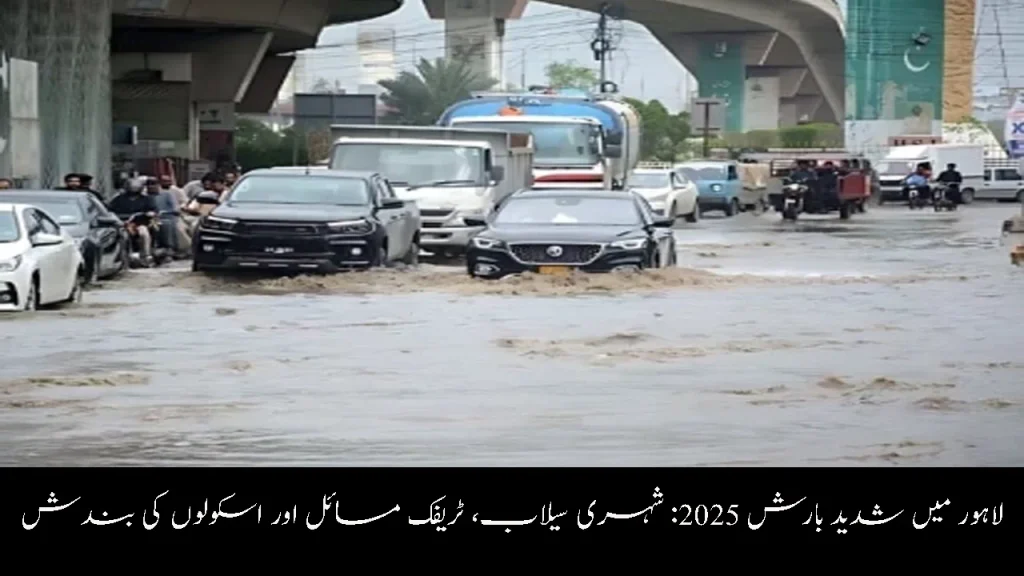
The city of Lahore, like many other regions across Punjab, witnessed heavy downpours that brought life to a standstill. What was meant to be a refreshing rain soon turned into a challenge for residents as streets, neighborhoods, and marketplaces submerged under water. The recent spell of monsoon showers not only created traffic problems but also disrupted schools, businesses, and daily routines.
Record-Breaking Rainfall in Lahore
Lahore received its heaviest rainfall of the season in the Tajpura area, where 145 millimeters of rain was recorded. This is the highest so far during the current monsoon spell. The continuous showers quickly filled roads and low-lying parts of the city, leaving vehicles stranded and pedestrians struggling to find dry ground.
Streets Turned Into Water Channels
The impact of the rain was most visible on the city’s busy roads. Vehicles moved slowly through waterlogged streets, and in some places, the water was so deep that buses and cars broke down in the middle of the road. Motorcyclists faced the toughest situation as water splashed up, making it nearly impossible to ride safely. Public buses, rickshaws, and private cars all found themselves stuck in the same struggle.
Disruption to Daily Life
The torrential rain had a ripple effect across many aspects of daily life in Lahore:
- Traffic Jams: Major roads, including key intersections and commercial areas, were gridlocked for hours.
- Schools Affected: Several schools remained closed as students could not reach safely. Many parents preferred to keep children at home.
- Public Transport Struggles: From buses to rickshaws, public transport slowed to a crawl, making commuting extremely difficult.
- Economic Setback: Shopkeepers and small businesses in low-lying markets suffered as rainwater entered their shops, damaging goods.
Meteorological Department’s Warning
The Pakistan Meteorological Department has already cautioned that the monsoon spell will continue until September 2. This means more rain is expected, and with Lahore’s outdated drainage system, the possibility of further flooding remains high. Authorities have advised people to avoid unnecessary travel during rain hours and to stay alert to weather updates.
Why Lahore Floods After Every Heavy Rain
Flooding in Lahore has become a yearly issue, and the reasons are no secret:
- Poor Drainage Infrastructure: The existing drainage network is unable to cope with heavy downpours.
- Blocked Drains: Garbage and plastic waste clog sewer lines, reducing water flow.
- Urban Expansion: Construction without proper planning has reduced natural water absorption areas.
- Neglect of Maintenance: Authorities often take temporary measures instead of long-term planning.
Safety Measures for Residents
While authorities work on clearing water, citizens are encouraged to take precautionary steps:
- Stay indoors during heavy showers whenever possible.
- Keep electronic items and important belongings in dry, elevated places.
- Avoid walking or driving through flooded streets to reduce risk of accidents or electric shocks.
- Children should not be allowed to play in standing rainwater due to health risks.
Frequently Asked Questions (FAQs)
How much rain did Lahore receive?
The Tajpura area recorded 145 mm of rainfall, the highest in the city during this monsoon spell.
How long will the rains continue?
According to the Meteorological Department, rains are expected to last until September 2.
Why does Lahore flood so quickly?
The city floods quickly due to outdated drainage, garbage-filled sewers, and unplanned urban growth.
What areas were most affected?
Low-lying neighborhoods, major commercial roads, and busy intersections experienced the worst flooding.
What should people do to stay safe?
Residents should avoid unnecessary travel, protect valuables from water damage, and keep track of weather updates.
Conclusion
The heavy rains in Lahore remind us once again of the city’s vulnerability to flooding. While the monsoon season is a natural occurrence, its impact is worsened by poor planning, weak drainage, and lack of maintenance. Until sustainable infrastructure is developed, Lahore will continue to suffer the same problems every year. For now, the people of the city must remain cautious, adapt to the situation, and take preventive steps to stay safe during the ongoing monsoon spell.
Read this: Flood in Swat Valley 2025