Federal Cabinet Approves Hajj Policy 2026 and Pakistan s First Green Building Code
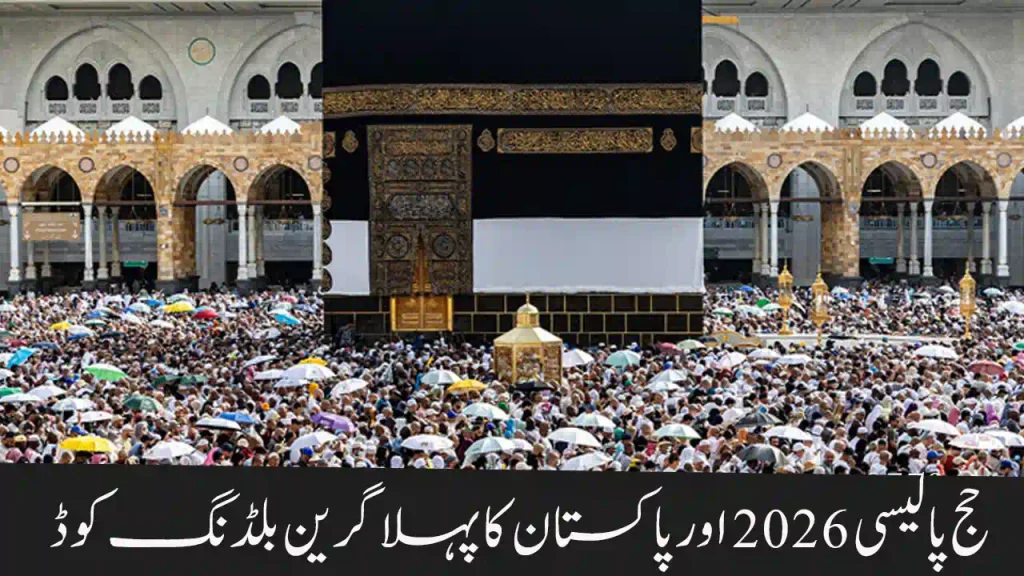
The Government of Pakistan has taken two major decisions that impact both religious pilgrims and the country’s approach to environmental sustainability. In a recent meeting chaired by Prime Minister Shehbaz Sharif, the federal cabinet approved the Hajj Policy 2026 as well as Pakistan’s first-ever Green Building Code. This article explains what these decisions mean, their benefits, and answers common questions in simple terms.
Hajj Policy 2026 – Key Changes and Details
The Hajj Policy 2026 was a major agenda item in the federal cabinet meeting. Here’s what you need to know:
Main Points:
- Hajj Quota Split:
- Government Quota: 70%
- Private Quota: 30%
- Cost of Government Hajj:
- Estimated between Rs. 1,150,000 to Rs. 1,250,000 (11.5 to 12.5 lakh rupees) per pilgrim for 2026.
- Initial Proposal:
- The Ministry of Religious Affairs had originally suggested a 40% government quota and 60% private quota.
- Prime Minister’s Role:
- PM Shehbaz Sharif personally took interest and increased the government quota to 70%.
What Does This Mean for Pilgrims?
- More Pilgrims Can Go Through Government Scheme:
- With the 70% quota, more Pakistanis can perform Hajj through the official, regulated channel.
- Private Operators:
- 30% of the Hajj slots are reserved for private tour operators.
Pakistan’s First Green Building Code Approved
Another landmark decision is the approval of the first Green Building Code in Pakistan. This is a step towards sustainable and eco-friendly construction in the country.
Main Highlights:
- Applies to:
- All new buildings with four or more floors.
- Key Requirements:
- Rainwater Harvesting: New rules for collecting and storing rainwater.
- Energy Saving Measures:
- Solar panel design.
- Green roofs (plants or grass on rooftops).
- Use of Renewable Energy:
- Buildings must include clean, renewable sources of energy.
- Goal:
- Environmental protection and saving electricity.
- Alignment:
- Matches the United Nations Sustainable Development Goals (SDGs).
- Major Step:
- Encourages eco-friendly and sustainable construction in Pakistan.
Statement from Ministry of Science & Technology
Federal Minister Khalid Hussain Magsi stated that this new code brings the Prime Minister’s vision of environmental protection and energy saving to life. It’s a positive step towards a greener, cleaner Pakistan.
Frequently Asked Questions (FAQs)
What is the Hajj quota split for 2026?
Government Quota: 70%
Private Quota: 30%
What is the expected cost for Hajj under the government scheme?
Estimated to be between Rs. 1,150,000 and Rs. 1,250,000 for 2026.
What buildings does the Green Building Code apply to?
All new constructions with four or more floors.
What are the new rules for buildings?
Rainwater harvesting systems
Energy-efficient designs, such as solar panels and green roofs
Mandatory renewable energy inclusion
Why is the Green Building Code important?
Saves energy
Protects the environment
Moves Pakistan closer to global sustainability goals
Conclusion
The federal cabinet’s approval of the Hajj Policy 2026 and Pakistan’s first Green Building Code are both historic moves. With more seats for government Hajj pilgrims and a clear push towards eco-friendly construction, Pakistan is making progress both in serving its citizens and protecting the planet. These policies show the government’s commitment to making life better for people today—and for generations to come.
Read this: Own the Revoo C32 Young Scooter for Just Rs. 8779/Month – Complete Guide
Read this: Honda Civic 2025 Price in Pakistan Features Specs & Booking Details