
U.S. Suspends Work Visas for Foreign Truck Drivers | Job Protection and Road Safety
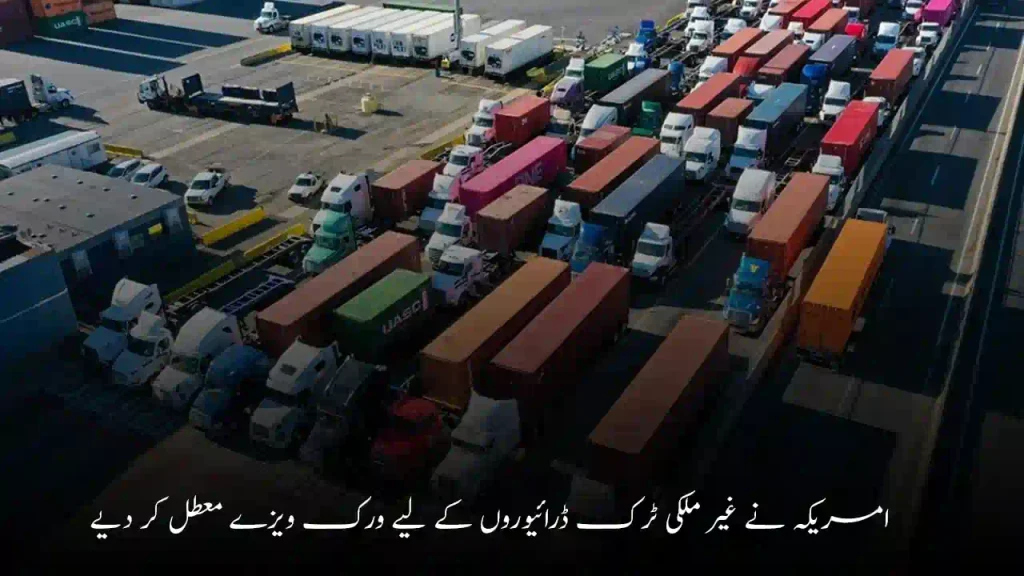
The United States has taken a decisive step by suspending work visas for foreign commercial truck drivers. This decision, announced by U.S. Secretary of State Marco Rubio, has sparked discussions across the transport and logistics sector. It reflects a growing push to safeguard American jobs and ensure greater safety on highways.
The Official Announcement
Marco Rubio made the declaration through a public statement, highlighting the risks posed by the rising number of foreign drivers handling heavy trucks in the U.S.
He emphasized that:
- The presence of large numbers of foreign drivers operating trailer trucks on American roads is raising safety concerns.
- The growing competition is also reducing job opportunities for American truck drivers.
Rubio’s words underline the belief that this suspension is not just about employment but also about public safety.
Why Did the U.S. Make This Decision?
Several factors contributed to the government’s move:
- Protecting American Workers:
With unemployment concerns in the transportation sector, officials argue that jobs should first be secured for U.S. citizens. - Road Safety Concerns:
Authorities believe that the influx of foreign truck drivers has increased risks on highways, with heavy trailers requiring extensive training and awareness of U.S. road systems. - Public Pressure:
Transport unions and local communities have been demanding stricter policies to prioritize American labor in trucking and logistics.
This step is seen as a direct response to growing public demand for protecting domestic employment.
Possible Impacts on the Transport Industry
While the decision has been welcomed by many Americans, it is likely to bring both benefits and challenges.
✅ Positive Outcomes:
- Increased job opportunities for U.S. truck drivers.
- More confidence among domestic workers in the transportation sector.
- Potential improvements in road safety due to stricter regulations.
⚠️ Negative Outcomes:
- Short-term shortage of truck drivers, especially in regions already facing labor gaps.
- Possible disruptions in the supply chain, leading to delivery delays.
- Higher costs for logistics companies as they adjust to workforce changes.
The balance between protecting local jobs and maintaining smooth supply chains will determine the long-term impact of this policy.
Public and Political Reactions
The decision has drawn mixed responses:
- Supporters view it as a bold step to put American workers first. They believe the policy strengthens job security and ensures safer highways.
- Critics argue that the logistics sector could suffer in the short term, especially during peak seasons when demand for truck drivers is highest. Some also worry about potential inflation if delivery costs rise.
This debate shows how deeply interconnected labor policies are with the economy and everyday life.
Frequently Asked Questions (FAQs)
What has the U.S. suspended?
The U.S. government has suspended the issuance of work visas for foreign commercial truck drivers.
Who made the announcement?
The policy was announced by U.S. Secretary of State Marco Rubio.
Why did America suspend these visas?
The step was taken to protect jobs for U.S. citizens and to address safety concerns on American highways.
Will this affect goods transportation?
Yes, it could lead to temporary shortages of truck drivers, which may cause delays in the delivery of goods.
Is the suspension permanent?
At this stage, the decision is immediate and indefinite, with no announced timeline for reconsideration.
Conclusion
The suspension of visas for foreign commercial truck drivers marks an important turning point in U.S. labor and transportation policy. By prioritizing employment opportunities for American citizens and addressing road safety concerns, the government has responded to the demands of unions, workers, and local communities.
However, the move also raises questions about its effect on the logistics sector and supply chains. If domestic workers can quickly fill the gap, the policy will be seen as a success. But if shortages continue, businesses and consumers may feel the pressure through delays and higher costs.
In the end, this decision highlights a broader debate: how to balance economic efficiency with job protection. For now, America has chosen to put its workers first, signaling a strong message about the future of its labor policies.
Read this: Jaswinder Singh Bhalla Passes Away at 65 | Punjabi Cinema Mourns Comedy Legend
Read this: Dhee Rani Program 2025-26 – 2755 Applications Approved Target Raised to 5000 Weddings