
Rising Sugar Prices in Pakistan: What’s Causing the Spike in 2025
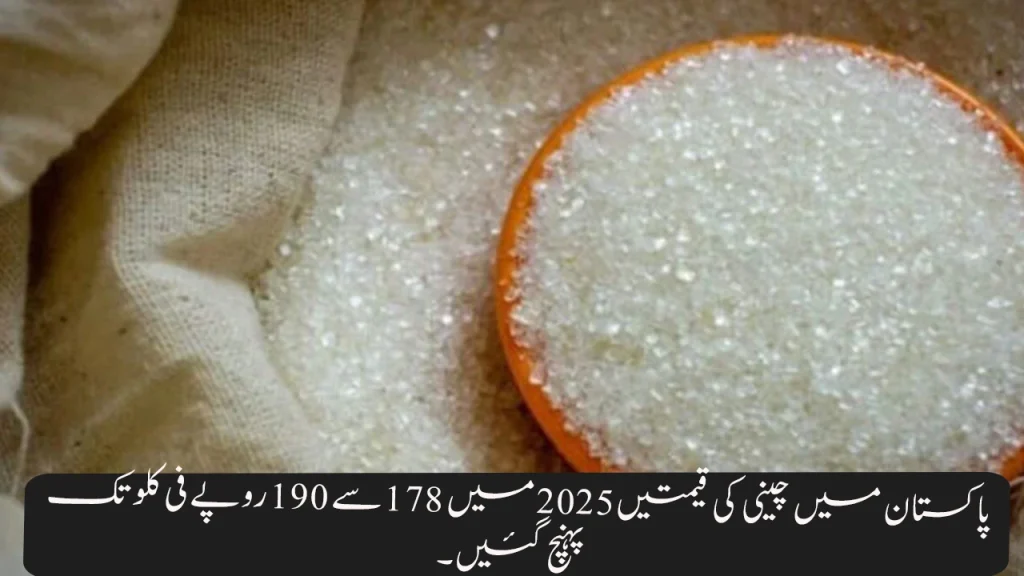
In 2025, sugar has once again become a focal point of concern for households across Pakistan. As of the latest market reports, the price of sugar in the country is ranging from Rs 152.57 to Rs 178.00 per kilogram, depending on the region and market. In some areas, especially major urban centers, prices have even climbed to Rs 190 per kg, stirring worries among consumers and policymakers alike.
This article dives into the factors behind the ongoing price surge, who is being impacted the most, and what can be expected in the coming months.
📊 The Current Situation: Sugar Prices Across Pakistan
Sugar, a daily essential in most Pakistani households, has seen sharp price volatility in recent months. In markets such as Islamabad, Lahore, and Karachi, the prices fluctuate daily within a narrow band—starting from about Rs 152 and sometimes crossing Rs 178 per kg.
However, certain cities and remote regions have reported much steeper rates. Consumers in areas like Peshawar and interior Sindh are facing prices as high as Rs 185 to Rs 190 per kilogram, raising serious affordability concerns for lower- and middle-income families.
The price hike is not uniform, and that’s part of the problem. There’s no standardized national rate being implemented effectively, which gives room for market manipulation and regional disparities.
🚨 What’s Driving the Price Increase?
There isn’t just one reason behind the current spike in sugar prices—it’s a combination of several overlapping factors. Here’s a breakdown of the most influential causes:
1. Reduced Domestic Production
Pakistan has witnessed a drop in sugarcane yield this year due to erratic weather patterns, lack of timely irrigation, and lower support prices for farmers. As a result, sugar production has dipped from previous levels. Where the country once produced over 6.5 million tonnes, the output this season is estimated to be closer to 5.8 million tonnes—a significant shortfall considering the growing demand.
2. Export Policies Shrinking Local Supply
Earlier in the year, Pakistan allowed sugar exports following reports of a surplus. While the decision may have supported foreign exchange earnings and farmers at the time, it has now left local markets undersupplied. The exports, although beneficial in the short term, have contributed to the supply crunch within the country.
3. Inflation and Cost of Production
Overall inflation in Pakistan has remained high in 2025. The cost of fuel, labor, packaging, and transport has increased across the board, which naturally translates into higher retail prices. Sugar millers are also dealing with rising input costs, making it difficult for them to offer sugar at affordable rates to wholesalers and distributors.
4. Hoarding and Market Speculation
In many parts of the country, sugar hoarding remains a persistent issue. When traders hold back stock in hopes of a better price, the artificial scarcity inflates market rates. Without strict enforcement or regulatory crackdowns, this cycle continues to burden ordinary consumers.
👨👩👧 Who Is Being Affected?
The rising price of sugar isn’t just a number—it affects real people, families, and businesses.
- Households: For many families, especially in rural areas or lower-income urban neighborhoods, even a Rs 10/kg increase can strain monthly grocery budgets.
- Small Retailers: Local shopkeepers often bear the brunt, forced to either sell at a loss or raise prices and risk losing customers.
- Food Businesses: Bakers, confectioners, and beverage sellers who rely on sugar as a core ingredient are seeing their profit margins shrink or being forced to pass the costs onto customers.
This isn’t merely a short-term issue—it affects food security, nutrition, and the cost of living at a national scale.
🧠 Government Response: Are Measures Being Taken?
The government has acknowledged the sharp rise in sugar prices and has pledged to take action. Various provincial food authorities have launched market inspections to monitor hoarding and ensure pricing compliance. There are also discussions around temporarily halting further exports until domestic needs are met.
However, these measures often arrive after the problem has already escalated. Experts argue that a more long-term, data-driven policy approach is needed—one that balances the interests of farmers, millers, traders, and most importantly, consumers.
🔮 What Can Consumers Expect?
Unless supply improves significantly or there’s a sudden drop in demand, sugar prices may remain elevated in the short term. With Ramadan and other high-consumption periods approaching, demand will likely rise, putting more pressure on already strained supplies.
Consumers may see minor fluctuations in prices from week to week, but a return to “normal” rates—under Rs 140 per kilogram—may not happen unless:
- The new sugarcane harvest is stronger than expected.
- Import policies are relaxed to increase availability.
- The government intervenes aggressively to control hoarding.
❓ Suggested FAQs Section
What is the current price range of sugar per kg in Pakistan?
Between PKR 152.57 and PKR 178.00 per kg, depending on the city and retailer.
Has sugar reached PKR 190 per kg in some areas?
Yes, rates around PKR 190/kg have been reported in several cities amid supply shortages.
Why did sugar prices rise recently?
The rise is linked to reduced domestic production, export-related stock depletion, and hoarding or market manipulation.
When was the last national average price update?
National average retail price was approximately PKR 168.63/kg in April 2025
How can consumers track future price changes?
Follow monthly updates from the Pakistan Bureau of Statistics, retailers, and commodity trackers like Selina Wamucii for real-time insight
📌 Final Thoughts
Sugar is more than just a kitchen item—it’s an economic indicator, a political issue, and a deeply personal expense for millions. The current price trend reflects deeper issues within Pakistan’s supply chain, agricultural planning, and commodity regulation.
As we move through the year, all eyes will be on government action, harvest forecasts, and global sugar markets to determine whether relief is on the horizon for Pakistani consumers. Until then, families will need to budget smartly and prepare for the continued ripple effects of high food prices.
Read this: Changan Lumin 2025 in Pakistan – Price Features & Range
Read this: Dollar Falls in Pakistan: Interbank & Open Market Update